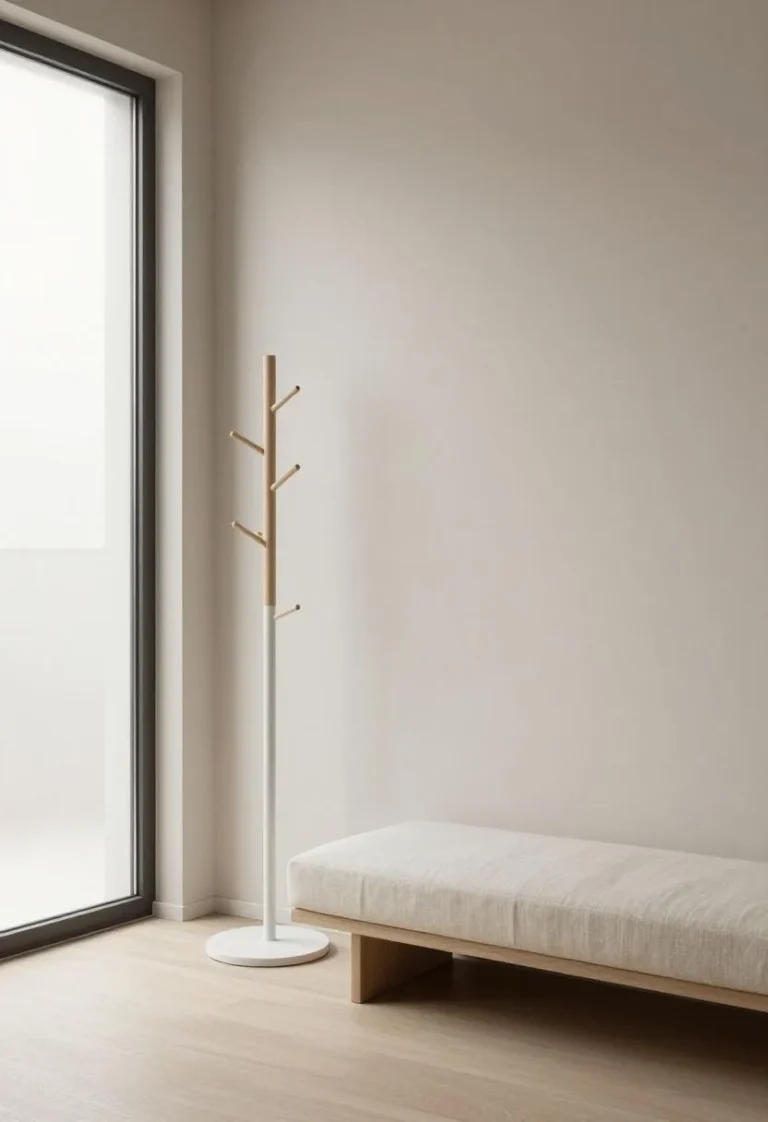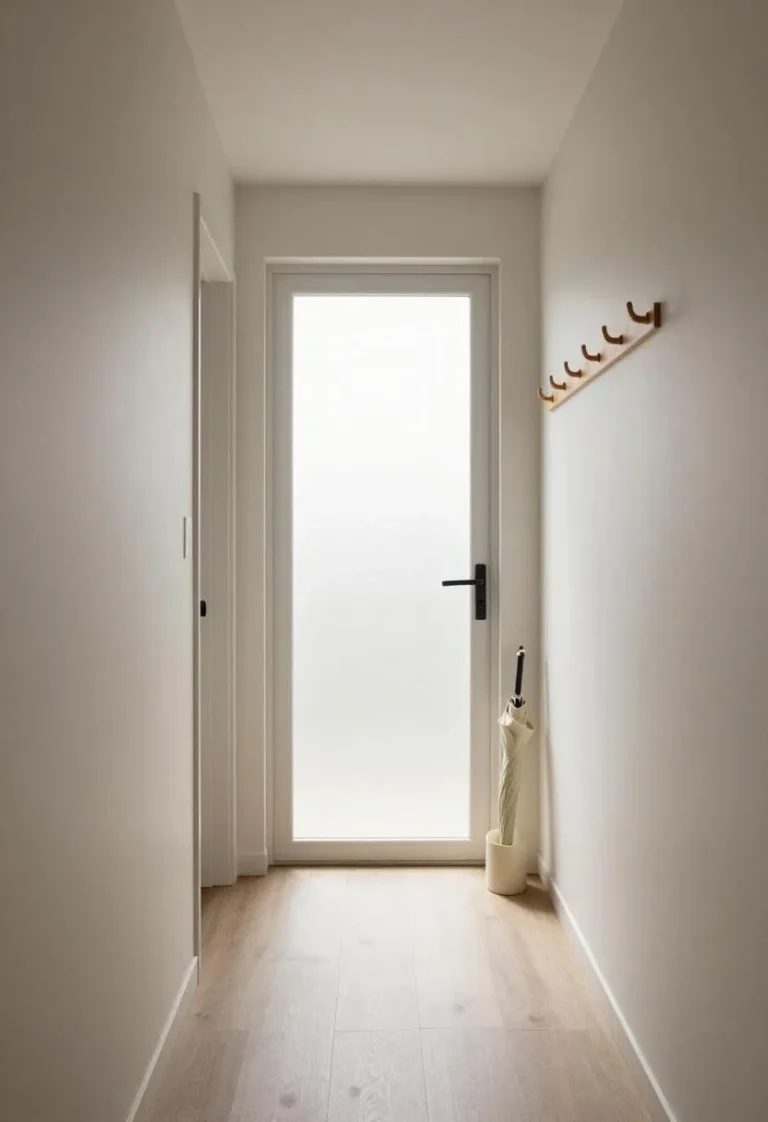
There’s a quiet tension in trying to house a bunny beautifully. Bunnies are chaotic little creatures — they chew, they scatter hay, they rearrange their bedding at 2am. And yet, if you approach their setup with the same intention you’d bring to any other corner of your home, something shifts. The Japanese concept of wabi-sabi — finding beauty in imperfection, in the natural, in the lived-in — turns out to be the perfect philosophy for bunny owners. You’re not hiding your pet’s existence. You’re integrating it. With the right materials (birch, linen, rattan, ceramic) and a restrained palette, the result can be genuinely lovely.
These ten setups prove that a bunny habitat doesn’t have to look like a cage shoved in a corner. Every single one can coexist with grown-up interiors, rental-friendly constraints, and a real design sensibility. Let’s get into it.
For the Living Room: Calm, Low, Intentional
The living room is usually where bunnies spend most of their free-roam time, which means it’s also where their setup is most visible. The trick isn’t to minimize the bunny presence — it’s to make it cohesive.
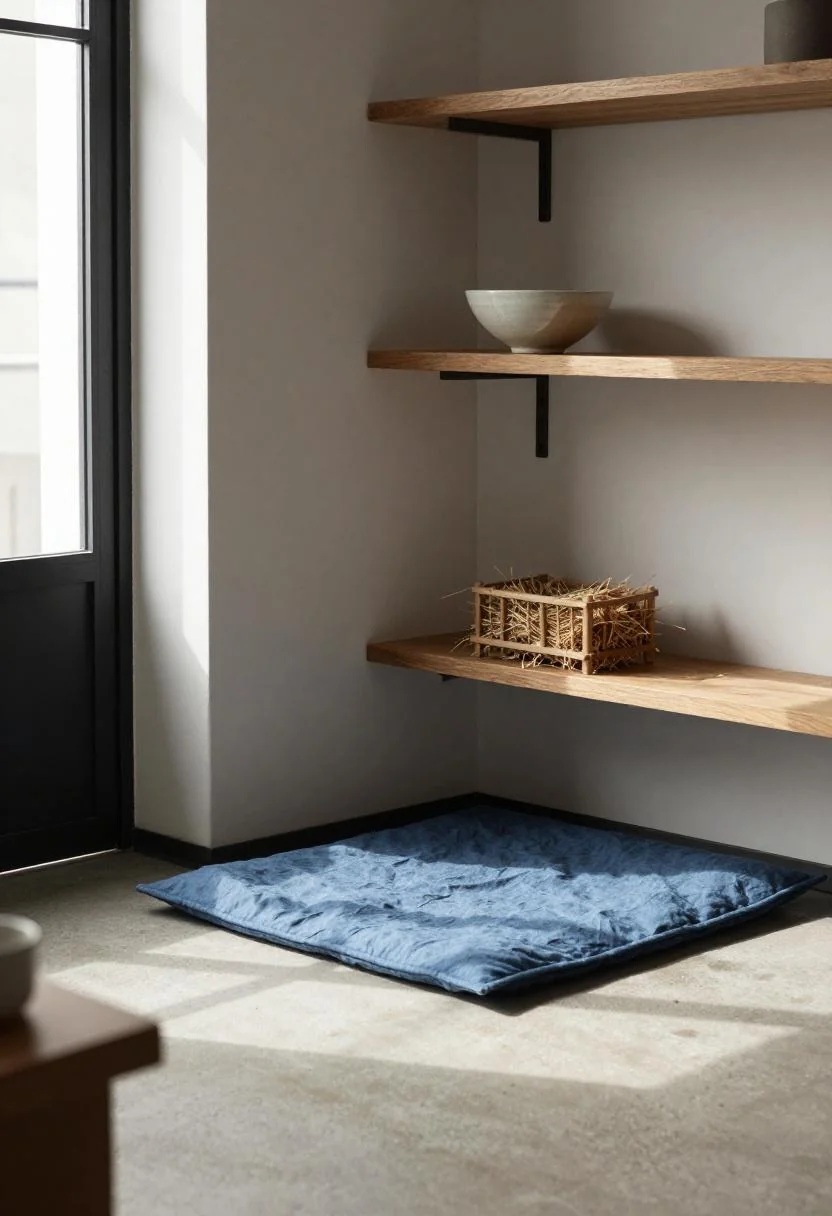
Wall-mounted feeding station, cool blue floor cushion. Mount a small wooden shelf low on the wall — about 30cm from the floor — and attach lightweight ceramic bowls with stainless steel clips. The cool blue cushion below grounds the feeding area and signals to the bunny (and your guests) that this is an intentional zone, not an afterthought. Pro tip — use a low-VOC chalk paint in muted slate on the shelf itself. One coat, sanded lightly when dry, gives you that Scandinavian matte finish that photographs beautifully and wipes clean in seconds. Wall-mounted wood feeding shelf on Amazon.
Birch grid pen, wasabi cotton mat, wall mirror. Here’s a rental hack that costs almost nothing extra: position the pen adjacent to a large floor mirror. The reflection visually doubles the space — the enclosure reads as part of a wider, airier room rather than a confinement zone pushed into the corner. The wasabi green mat inside anchors the color story without overwhelming it. Birch grid panels (sold as room dividers or modular storage walls) need no drilling and can be reconfigured in an afternoon. This kind of spatial thinking is something Vogue’s interiors section has been championing for years — the idea that pets and aesthetics don’t have to conflict.
Rattan console, plum noir tray, entryway. A slim rattan console against the entryway wall does double duty here — the plum noir lacquered tray on top holds a nail clipper, a small brush, and a bag of treats. It looks like a jewelry tray. Nobody walking in would guess it’s bunny admin. Keep it clear of the doorway itself (tripping hazard, obviously) and you have a genuinely useful station that requires zero home modifications.
Storage That Works Twice as Hard
The biggest challenge with bunny ownership isn’t the bunny — it’s the stuff. Hay, pellets, bedding liners, toys, grooming tools. It accumulates. The Japandi answer is always: find furniture that conceals without hiding.
Birch storage bench, hallway, plum noir throw. A hinged-lid storage bench is genuinely one of the most useful pieces of furniture a bunny owner can own. This birch version keeps a week’s worth of hay, spare bedding, and a litter scoop inside what looks, from the outside, like a normal entryway bench. The plum noir throw draped over one end hides any hay dust that escapes when you open the lid. You can pull this off in a weekend for under £150 with a flat-pack unfinished bench and a coat of natural oil finish. Birch storage bench options on Amazon.
Sage green linen ottoman, Scandinavian living room. Same principle, softer execution. A linen ottoman in sage green sits at the foot of the sofa and stores spare bedding liners inside. It’s also a footrest, extra seating, and — depending on the bunny — an extremely popular perch. The sage tone pulls from the same muted green family as the wasabi mat, so these two pieces can coexist in an open-plan space without clashing. Works in rentals. No modifications needed.
Under-bed drawer, ash wood Japandi frame, cream white sleeping sack. Low-profile bed frames with integrated drawer storage are a Japandi bedroom staple — and they’re ideal for bunny owners. The cream white sleeping sack folds flat and slides into the drawer with room to spare. Out of sight during the day, ready in thirty seconds at night. One small change transforms the whole routine: label the drawer with a small brass tag so anyone housesitting knows exactly where to find it.
Bedroom Retreats: When Your Bunny Has Taste
Do bunnies belong in the bedroom? That’s a personal call. Some are too active at night; some are angelically quiet. But if yours is a bedroom bunny, there’s no reason the setup should look like a hospital supply corner.
Modular birch shelving, persimmon wool mat, lower-compartment nook. This is genuinely clever. Take a standard modular shelving unit — the kind you’d use for books or plants — and dedicate the lowest compartment to the bunny. Line it with a persimmon-toned wool mat (that warmth against pale birch wood is really something), add a small water bowl at the front, and you have a nesting nook that looks completely intentional. The mistake most beginners make is using a plastic storage box instead. Wood reads as furniture. A plastic bin reads as an afterthought. Big difference. Modular birch shelving units on Amazon.
Persimmon ceramic tray, oat grass, marble windowsill. Oat grass grown in a shallow ceramic tray works on every level. It’s genuinely good for bunnies — fresh grass is enriching, and they love to graze. It also looks, on a marble windowsill in morning light, like something from a lifestyle shoot. Grow a new tray every two weeks in rotation so there’s always a fresh one ready. It’s a five-minute job and the persimmon glaze introduces warmth without loudness. As Elle Decor often notes about Japandi interiors: the handcrafted object is never decorative for its own sake — it always earns its place.
If you’re building out the full bedroom aesthetic around low-slung Japandi furniture, our 14 Industrial Bedroom Ideas for a Cozy Loft-Inspired Sleep Space has complementary ideas — especially for wall treatment behind low-profile frames.
Kitchen & Dining: Organized by Default
Feeding a bunny in the kitchen makes logistical sense — you’re already there, water is there, hay is easier to sweep off tile. The challenge is keeping it from looking like a livestock operation.
Open shelving, linen hay basket, wasabi ceramic bowl. Treat the bunny’s feeding station as you would any other shelf display. The linen hay basket breathes — hay needs airflow or it molds fast — and the wasabi ceramic bowl is weighted enough that a curious nose can’t tip it. The whole arrangement takes up less than 40cm of shelf depth. The mistake most beginners make here is using a plastic bin for hay storage: it traps moisture, smells within days, and looks terrible. Linen. Always linen.
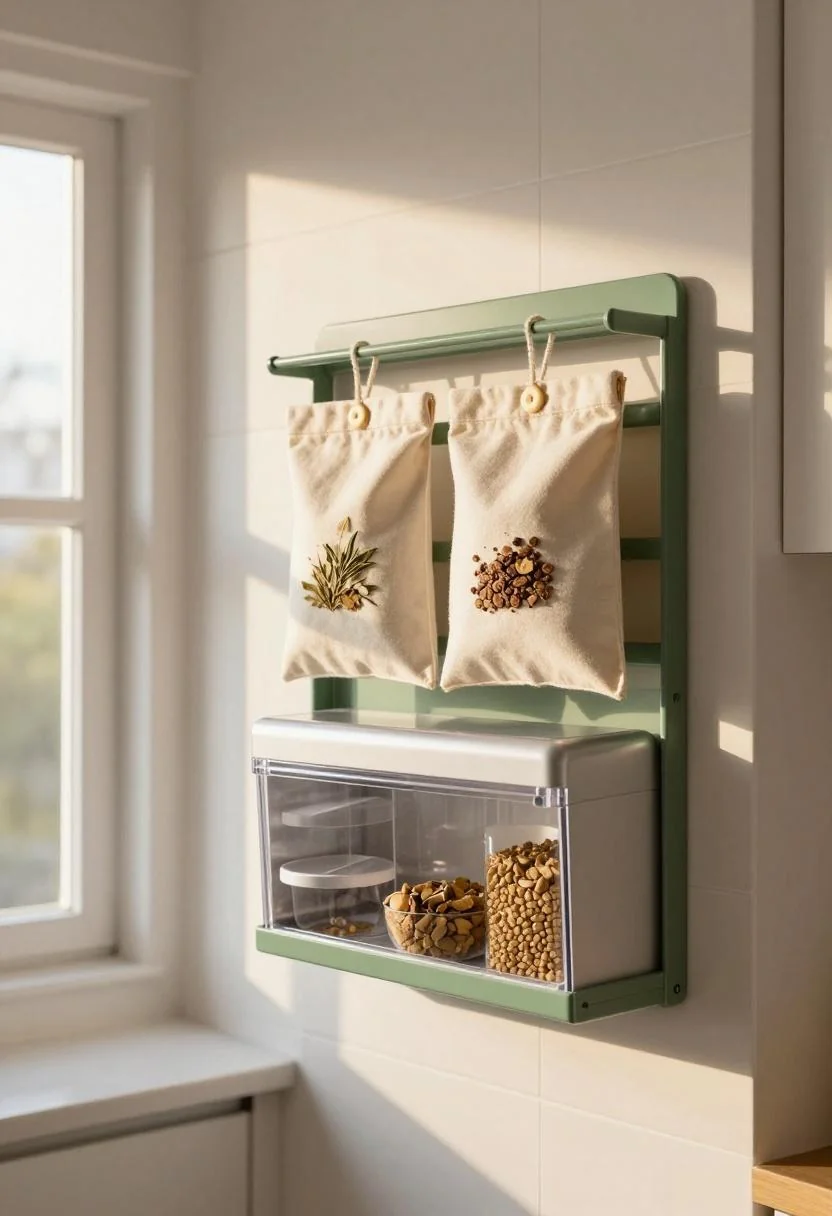
Jade green wall rack, beside the fridge. Dead space beside the fridge — every kitchen has it, nobody uses it well. A shallow wall rack in jade green holds dried herb treats, a small bag of pellets, and a jar of Timothy hay. The jade tone is calm enough to coexist with kitchen neutrals without demanding attention. Wall-mounted kitchen rack options on Amazon. And if you want more kitchen organization ideas that hold up in real daily use, our 14 Kitchen Organization Ideas for Summer 2026 guide is worth a read.
Small Spaces & Awkward Corners: The Modular Fix
What do you do when the apartment is small, every corner is already spoken for, and you still need somewhere that makes sense for a bunny? You go modular. You stop thinking of their area as something separate from the room.
Can a bunny setup actually make a room feel bigger? Surprisingly, yes — if you use it to create a focal point rather than a scattered mess of accessories.
The modular birch shelving nook covered in the bedroom section above works just as well in a small living room alcove. And the wall-mounted feeding station from Look 1 is specifically designed for studio layouts where floor space is at a premium. Think vertically. Mount, stack, fold — and keep the floor as clear as possible. That open floor space is what makes a small room feel like a considered choice rather than a compromise.
For renters specifically: everything shown here — the grid pen, the rattan console, the linen ottoman, the storage bench — requires zero permanent modifications. Which matters. And if you’re the kind of person who enjoys a weekend project, 15 DIY Accent Wall Ideas That Look Expensive But Cost Less has some complementary ideas for the walls surrounding your new bunny zone. A simple limewash panel behind the pen area does wonders.
The Color Story: What Ties It All Together
Look at the palette across these ten setups and a clear story emerges. Cool blue and jade green anchor the cooler, more minimal arrangements. Persimmon and plum noir introduce warmth and depth without competing with natural wood tones. Wasabi sits in that interesting middle ground — green enough to feel fresh, muted enough to feel calm. And cream white, when it appears, acts as the exhale — the negative space that lets everything else breathe.
That’s wabi-sabi in action. Not perfection. Not matching. An intentional range of tones that feel like they evolved together rather than being planned. The birch wood connects everything — it’s warm but not yellow, natural but not rustic. It’s the material equivalent of a neutral breath.
What’s worth noting — and what Harper’s Bazaar’s interiors team has been tracking for several seasons — is that the shift toward natural materials in pet spaces mirrors a broader move in home design. We’re done with stark white plastic. We want things that age well. Linen softens, birch darkens slightly, ceramic develops character. A bunny setup built from these materials doesn’t just look better on day one — it looks better in year three.
The takeaway: You don’t need a dedicated “pet room.” You need intentional choices — a linen basket instead of a plastic bin, a ceramic bowl instead of a stainless scoop-and-serve, a birch shelf instead of a wire rack. Small upgrades, made consistently, add up to a home that accommodates a bunny and still looks like yours.
This post contains affiliate links. We may earn a commission at no extra cost to you.
Images in this article were created with AI assistance.