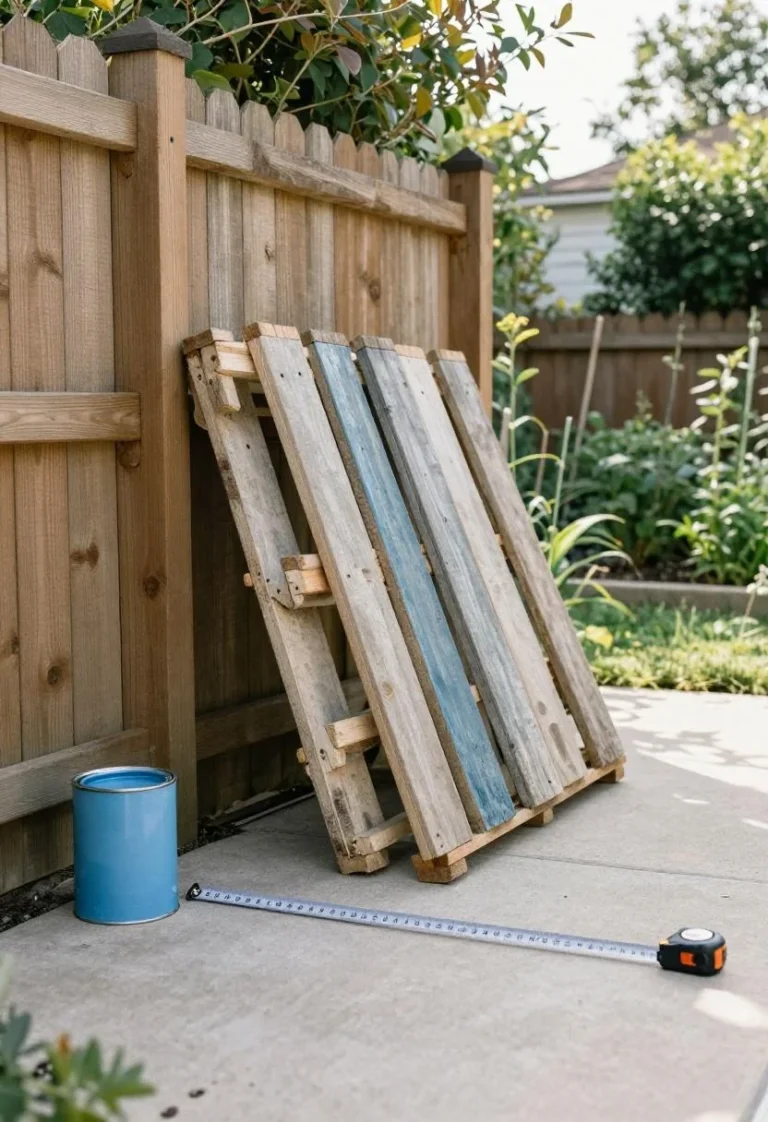
A soggy yard is a structural problem, not a gardening one. Water arrives faster than the ground can absorb it, and what’s left is a yard that pools after every storm, smells of damp clay through April, and quietly drowns whatever you planted with good intentions. The fix isn’t mysterious. It’s a matter of directing water away from where it collects, absorbing what the soil can handle, and choosing solutions that respect the land rather than fight it. Some of these approaches are centuries old. Some look like garden features. All of them work — provided you match the right solution to the right problem. Here are eleven smart drainage ideas, ranked by staying power and sorted by the thinking behind them.
The Standouts
These are the drainage solutions that perform without announcing themselves. Install them correctly, and within a season, you forget the yard ever had a problem. That restraint — the invisibility of a system that simply works — is the whole point.
1. The French Drain: Architecture Beneath Your Feet

The view from this window seat — cream-white interior, glass framing a stretch of uninterrupted green — is what a properly drained yard gives you from the inside. That connection between what’s happening outdoors and how the home feels isn’t metaphorical. It’s real. A French drain makes it possible.
The logic is very old and very sound. Dig a trench, grade it toward an outlet, line it with filter fabric and clean gravel, lay a perforated pipe, cover it back up. Water finds its way into the pipe and exits where you direct it — to daylight at the property’s edge, to a dry well, away from the foundation. No electricity. No moving parts. No maintenance beyond flushing it every few years.
French drains work best when water is pooling in a specific zone: a persistently wet corner, a slope that collects runoff from uphill neighbors, a stretch that stays saturated long after rain stops. The depth matters — typically 18 to 24 inches — and the grade matters more than the brand of pipe. This is estate-management thinking: identify the source, address it properly, and trust the result.
Shop French Drain Kits on Amazon →
2. The Rain Garden: A Depression That Earns Its Place

This cool blue living room has the quality of a yard that manages water well: composed, unhurried, nothing fighting for dominance. Nature-referencing palettes like this one tend to feel right in spaces that face the outdoors, and a rain garden earns the same kind of calm from the earth it sits in.
A rain garden is a shallow planted basin — typically 4 to 8 inches deep — positioned to intercept runoff from downspouts, driveways, or low lawn areas. The plants do the real work. Their root systems open channels in compacted soil that allow water to infiltrate at three to five times the rate of turf grass. Between storms, the basin is simply a garden. During a downpour, it’s a holding chamber. Within 24 to 48 hours, it’s dry again.
The aesthetic case for rain gardens is strong — as Harper’s Bazaar’s home editors have noted in their coverage of landscape-connected interiors, the most considered outdoor spaces tend to blur the line between garden and infrastructure. A rain garden does exactly that. It replaces a problem with a feature, and it does it without sentimentality.
For more ways to use native plantings as functional design elements outdoors, see our guide to DIY outdoor planter ideas that add real curb appeal.
Shop Rain Garden Plants on Amazon →
3. The Channel Drain: Linear Logic for Hardscaped Spaces

Cool, water-directed tones. The channeled feeling here — everything moving in a clear direction — mirrors what a linear drain does on a patio or driveway. There’s no ambiguity. Water goes here. Then it goes there. Problem solved.
Channel drains (also called trench drains) are flush-mounted strips installed across the lowest edge of a paved surface. They intercept water before it sheets across the concrete and pools against a door threshold or foundation wall. The grate sits level with the surrounding hardscape, almost invisible. They’re the drainage equivalent of good trim work: you don’t see it, but you’d notice immediately if it weren’t there.
If your soggy yard problem starts at the patio edge or the base of a long driveway slope, this is likely your first call, not your last resort.
4. The Dry Creek Bed: Drainage That Looks Deliberate
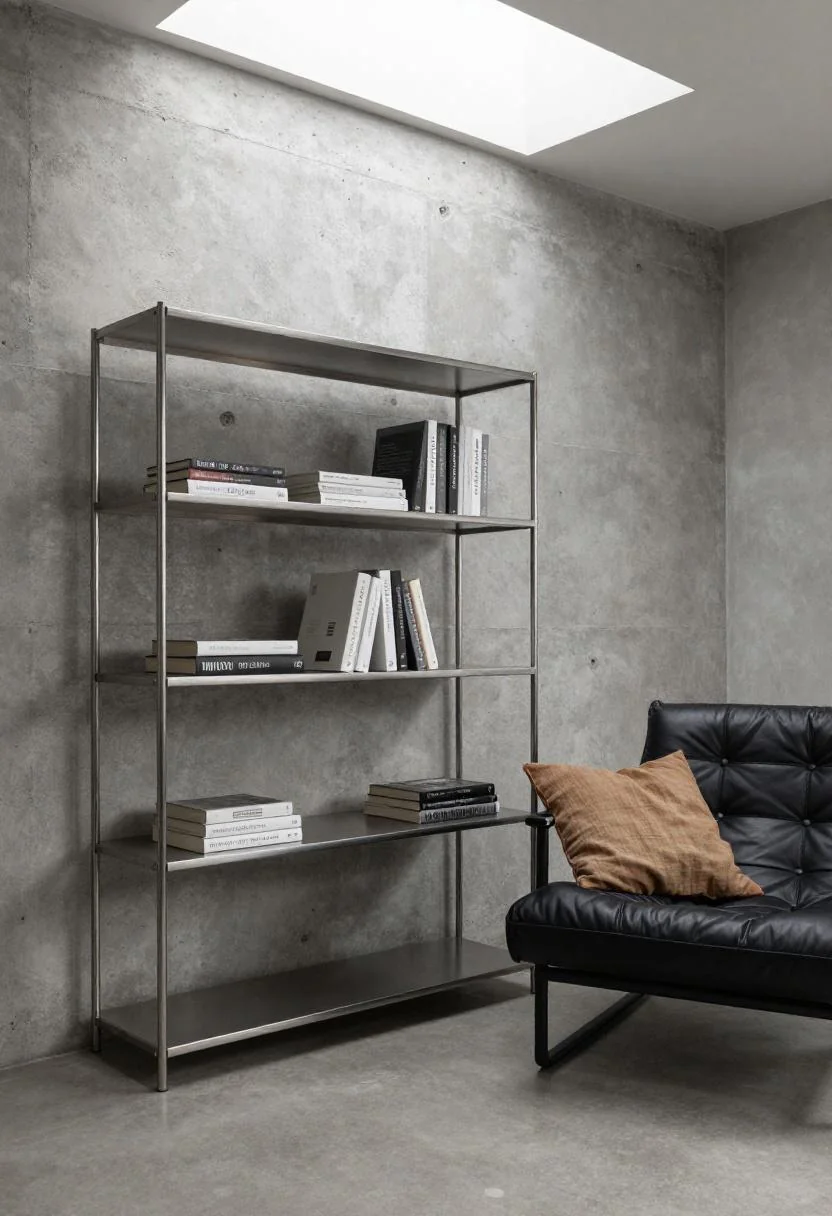
Warm persimmon against concrete — the contrast here is exactly the visual dynamic of a well-placed dry creek bed: rich drainage gravel set against dark, wet clay soil. Color doing functional work. The dry creek bed is the solution for people who want drainage that reads as landscape design, not as an admission that the yard has a problem.
You’re creating a shallow graded channel — usually 6 to 18 inches deep — filled with rounded river rock and flanked with slightly larger stones. During rain events, water flows visibly through the channel toward a lower outlet. Between rains, it’s a garden feature that suggests a stream might once have run there. In period properties and traditional gardens, it fits without trying.
The key is the grade. A dry creek bed that doesn’t slope consistently will just hold water in the middle. Aim for at least 1 percent grade — 1 inch of drop per 8 feet of run.
Shop River Rock for Dry Creek Beds on Amazon →
5. The Native Planting Layer: What Makes It All Work

This is what healthy drainage planting looks like brought inside. Lush, grounded, no performance about it — just things growing well because they’re in the right conditions. That jade-green quality is exactly what moisture-tolerant native plants bring to a rain garden or a bioswale edge when they’ve been established for a season or two.
Native plants aren’t a garnish on a drainage system. They’re structural. Deep-rooted species like blue flag iris, swamp milkweed, and native sedges create the infiltration pathways that let water move through the soil rather than sitting on top of it. Choose plants adapted to your regional clay conditions and they’ll do maintenance work the soil can’t do on its own.
Shop Moisture-Tolerant Native Plants →
Top 3 Picks
1. French Drain — The most reliable solution for chronic pooling. If you’re only going to do one thing, do this properly.
2. Rain Garden — For yards with downspout and surface runoff issues, the rain garden turns a liability into a landscape feature that actually improves over time.
3. Dry Creek Bed — Best when the drainage path crosses a visible part of the yard. It solves the problem and looks like it was always meant to be there.
The Dark Horses
Underestimated, often overlooked in favor of more mechanical solutions. These three approaches work quietly and — when executed well — look nothing like a drainage fix at all.
6. The Permeable Gravel Bed: Japanese Sensibility, Practical Results

Dark, grounded, spare. This japandi interior — stone-toned, material-honest — is the visual register of a well-executed permeable gravel bed in the yard. The natural stone and fine gravel used in drainage applications have this same quality of restraint: they don’t try to look like anything other than what they are.
A permeable gravel bed replaces a section of turf or compacted soil with a deep layer of angular drainage gravel over a perforated drain system. Water moves through instantly. There’s no turf to drown, no clay to saturate. It’s a solution with genuine precedent in Japanese garden design, where gravel serves both aesthetic and hydraulic purposes — raked or loose, it has always been doing drainage work.
For the soggy side yard or the strip between two properties where nothing wants to grow anyway, this is often the most honest answer. Strip away the lawn, acknowledge the drainage reality, and build something that looks considered. For related approaches in the outdoor space, the ideas in this guide to backyard garden structures pair well with gravel beds and low-maintenance drainage zones.
Editor’s Note: Angular crushed gravel (not round pea gravel) is critical here. Round stones shift and compact; angular gravel interlocks and maintains the void space that actually drains. The difference is small at purchase and enormous at performance.
7. The Bioswale: Infrastructure That Looks Like a Garden

Organic textures, layered, living — this bohemian interior has the same material intelligence as a mature bioswale: nothing synthetic, nothing fighting the natural logic of the space. The reed and grass plantings that line a well-established bioswale have this quality too. They look like they belong there.
A bioswale is a shallow, planted channel — typically 1 to 2 feet deep — designed to slow and filter stormwater runoff as it moves across the landscape. Unlike a dry creek bed, the bioswale has living banks: dense grass, sedge, or reed plantings that slow the water velocity, filter out pollutants, and encourage infiltration throughout the length of the channel.
What separates bioswales from a simple drainage ditch is intention. The plantings are deliberate, the cross-section is engineered (gently sloped sides, flat bottom), and the outlet is controlled. Municipal engineers use them at scale for the same reason you’d use one in a yard: they work, they’re beautiful, and they require less maintenance than a pipe-and-basin system once established.
Shop Bioswale Planting Supplies on Amazon →
8. Strategic Ground Cover: The Subtlest Fix

A botanical tabletop moment in wasabi and green — this is what considered plant selection looks like as an interior gesture. In the yard, the equivalent is choosing moisture-absorbing ground covers and native spreaders with the same care you’d give a table arrangement. The wrong plant in a wet zone just dies slowly. The right one changes the hydrology of that corner entirely.
Creeping Jenny, native ferns, wild ginger, and Virginia sweetspire are all candidates for perpetually moist areas where lawn grass keeps failing. They don’t just tolerate wet feet — they thrive in the excess moisture and, over time, help reduce it by deepening the root matrix and improving organic content. No trenching required. This is a solution measured in seasons, not days, but the results compound quietly in the right direction.
Editor’s Note: Don’t confuse low-maintenance with low-intention. The botanical selections that perform best in soggy conditions are specific, regional, and worth researching before you buy. A good native plant nursery will tell you exactly what’s right for your soil type and drainage pattern.
The Classics
These aren’t glamorous. They’re foundational. And in drainage, as in most structural matters, the foundational answer is usually the correct one — which is why these solutions have been in the working vocabulary of landscape contractors and estate managers for generations.
9. Regrading: Moving the Earth, Solving the Problem

Deep, grounded tones — the color of soil turned and set right. This rich palette captures what regrading actually looks like in process: the dark exposure of earth being moved with purpose. It’s the most unglamorous drainage solution and, for many yards, the only one that actually addresses the problem at its source.
If your yard slopes toward your house — even slightly — water from rain and irrigation is moving toward your foundation every time it rains. Regrading corrects the slope to direct water away: the standard recommendation is a 6-inch drop over the first 10 feet from the foundation. Beyond that, the yard can be relatively flat, but those first 10 feet need to work.
Can you regrade yourself? Small sections, yes. But for anything involving significant soil movement or a whole-yard slope correction, a landscape professional with a transit level will save you the cost of doing it twice. The soil compresses differently than you expect. The grade needs to be precise.
As Elle’s home editorial has consistently argued, the most lasting improvements to a property — indoors or out — are the ones made to structure, not surface. Regrading is structure. It’s the correction that makes everything else possible.
10. Downspout Extension and Dry Well: Redirecting the Source

Terracotta and warm earth tones — mid-century material sensibility that works because it borrows from what’s already there in the ground. That same principle drives the downspout extension and dry well: work with the materials and physics you have, redirect the problem rather than engineering around it.
Your downspouts are discharging concentrated roof runoff — potentially thousands of gallons per storm — within a few feet of your foundation. If the grade isn’t perfect, or if the soil is clay-heavy, that water has nowhere to go but down and sideways, straight toward your basement wall or your saturated lawn corner.
A simple solution: extend the downspout with corrugated pipe or a buried solid-drain tube, directing the outlet at least 6 feet from the house. The more thorough solution is a dry well — a buried perforated container surrounded by gravel that receives the water underground and releases it slowly through the surrounding soil. It handles significant volume without surface pooling, and once buried, it’s genuinely invisible. For a complete backyard drainage and garden setup, the ideas in this small backyard DIY guide show how structural fixes and planted features can work together.
Shop Downspout Extensions and Dry Wells →
When It All Comes Together

This is the room that a well-drained yard feels like from inside: cream walls, quiet ash tones, nothing competing. Serene because nothing is fighting the structure. A restored yard — properly graded, planted with intention, channeling water where you told it to go — carries the same quality. The work becomes invisible. The result doesn’t.
The honest truth about drainage? Most soggy yards have more than one problem. A low corner collecting surface runoff. A downspout dumping at the foundation. A compacted clay strip that hasn’t let water through since the original construction. Solving one layer rarely solves all of them, which is why the most satisfied results tend to combine two or three of the approaches above — a French drain for the chronic pooling zone, a regraded slope near the house, native plantings doing the slow biological work over time.
What changes when you get it right isn’t just the yard. It’s the relationship between the interior of your home and the land it sits on. Vogue’s living coverage has returned again and again to the idea that the most considered homes are the ones in honest dialogue with their site — not imposing aesthetic order on a drainage problem, but solving the problem so the aesthetic order has ground to stand on. That’s the right sequence. And it’s available to any yard, at any budget, with the right solution chosen for the right conditions.
Key Takeaways: What to Remember
- Identify the source before the solution. Water collecting in the corner is a symptom. The cause could be downspouts, grade, soil composition, or uphill runoff — and each demands a different fix.
- Drainage solutions have aesthetic ranges. From the completely hidden (dry well, French drain) to the landscape feature (dry creek bed, rain garden), you can choose how visible the work is.
- Native plantings amplify every other solution. Whatever system you install, the right plant roots will extend its effectiveness over time — for free.
- Grade first. Everything else performs better when water is already moving away from the house. Regrading is unglamorous and almost always worth it.
- Color and material matter even in drainage design. Gravel selection, stone size, plant species — these choices carry through to how the yard reads as a whole. The cool blues, jade greens, warm terracottas, and cream whites in a well-planted drainage garden aren’t accidental. They’re the reward for solving the problem with care.
This post contains affiliate links. We may earn a commission at no extra cost to you.
Images in this article were created with AI assistance.