OK so here’s the thing — I used to think “non-toxic living” meant buying a $90 bottle of something at a wellness boutique and calling it a day. Then I actually started reading ingredient labels. And then I got a little obsessed. (A lot obsessed. My partner has strong feelings about how many glass jars are currently living on our bathroom shelf.) The truth is, swapping out the chemical-heavy stuff in your home doesn’t have to be expensive or complicated or aesthetically depressing. In fact? Done with a bit of Scandinavian restraint — pale wood, clean surfaces, one beautiful object doing the work of five cluttered ones — it genuinely looks better. Calmer. More intentional. This is the low-tox journey I wish someone had walked me through, swap by satisfying swap.
Start in the Bathroom: The Easiest Wins Are Here
The bathroom is where most of us absorb the most chemical load without even thinking about it — products sitting on our skin for hours, ingredients we can’t pronounce, plastic bottles we swap out every six weeks. It’s also, genuinely, the easiest room to transform. A few targeted swaps and suddenly you’ve got a space that looks like a boutique hotel in Stockholm and smells like nothing synthetic at all.
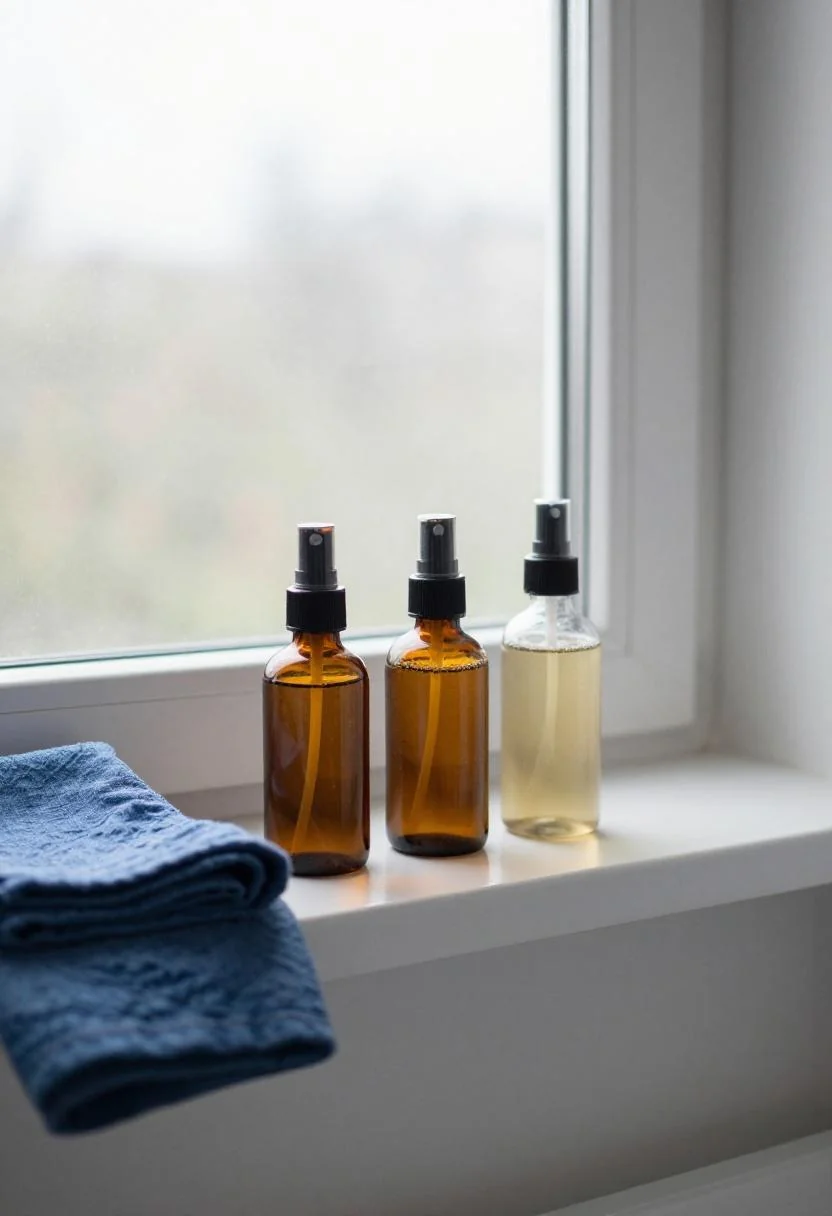
Amber glass spray bottles are having a serious moment — and for good reason. Ditch the neon plastic cleaning sprays full of synthetic fragrance and ammonia, and refill a set of amber bottles with a simple DIY mix: white vinegar, water, a few drops of tea tree oil, and maybe some eucalyptus if you’re feeling fancy. That cool blue linen cloth draped next to them? It’s not just pretty. Reusable linen cleaning cloths replace about 400 paper towels a year per household. The whole shelf becomes a composition — intentional, restrained, completely functional. As Elle’s home editors have pointed out, the cleanest-looking bathrooms aren’t the ones with the most products — they’re the ones with the fewest.
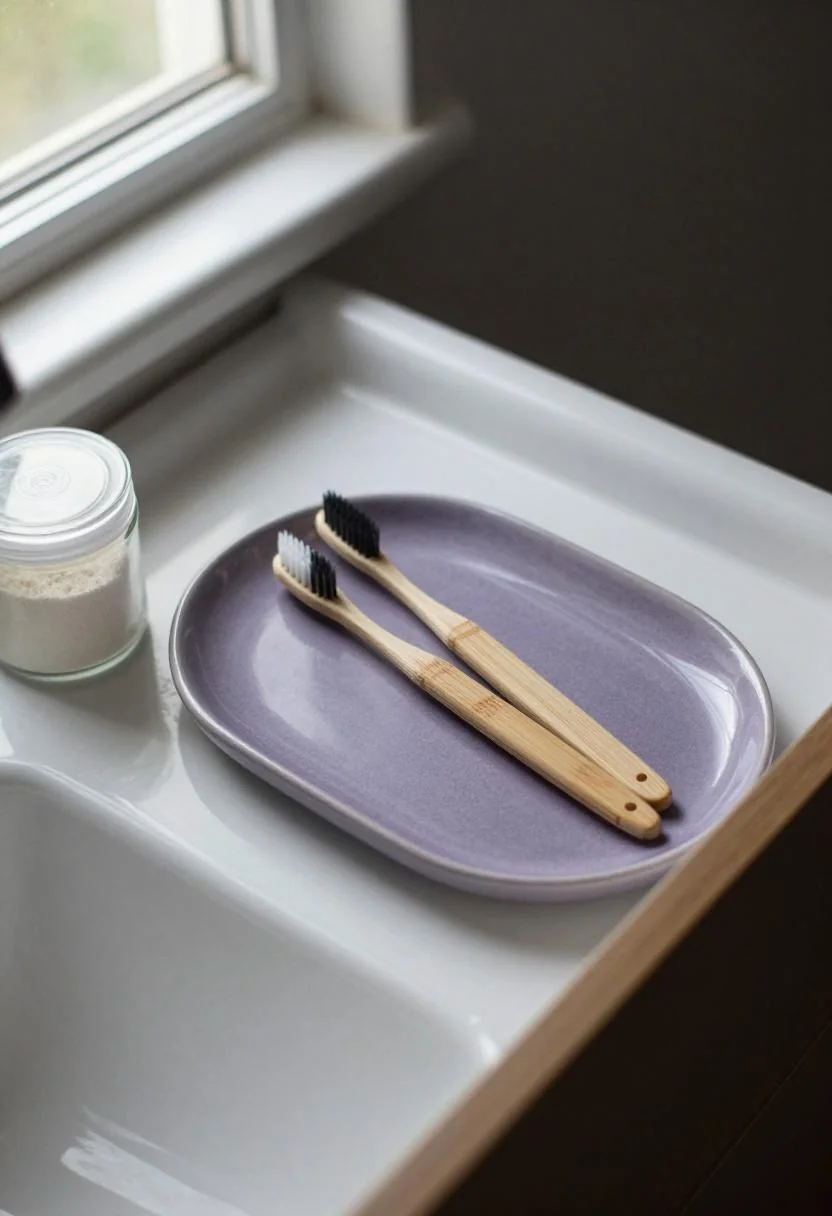
This one stopped me in my tracks when I first opened a friend’s bathroom drawer. Bamboo toothbrushes — softer bristles than you’d expect, completely compostable — sitting in a plum noir ceramic tray next to a little tin of tooth powder. No plastic tubes. No fluorescent packaging. The tray does the visual heavy lifting; everything inside it gets to be quietly beautiful. Tooth powder is genuinely underrated. Baking soda base, activated charcoal or clay, maybe some peppermint. Your teeth feel cleaner and there’s nothing in there you’d be afraid to read out loud. Browse bamboo toothbrush sets on Amazon — the good ones come in multi-packs that make the per-brush cost really reasonable.
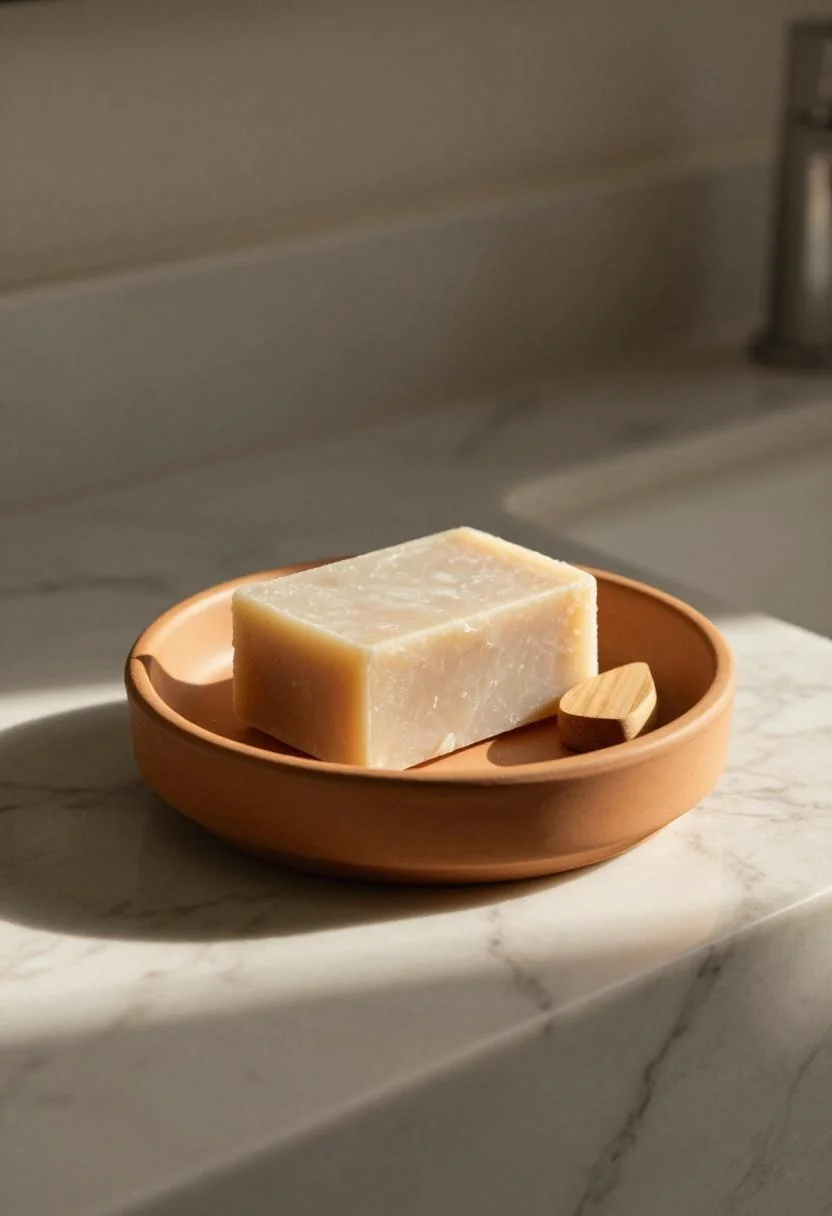
Bar soap deserves a full rehabilitation. The liquid soap industry spent decades convincing us that bars were somehow less hygienic (they are not — this has been studied) while selling us bottles full of preservatives and synthetic lather boosters. A simple cold-process bar soap — one with maybe five ingredients — on a warm terracotta ceramic dish on your marble counter? It’s the kind of detail that makes a bathroom feel considered. Not decorated. Considered. There’s a difference. I switched to bar soap two years ago and I genuinely can’t imagine going back.
The Kitchen: Where Toxins Hide in Plain Sight
Not gonna lie, the kitchen was the swap that made me feel most virtuous — and also most chaotic before I figured out a system. So much of what we store in kitchens off-gases, leaches, or just quietly contaminates everything around it. Glass and natural materials are your best friends here. The Scandinavian principle of “one beautiful functional object” really clicks in a kitchen context — you don’t need twelve products, you need four excellent ones.
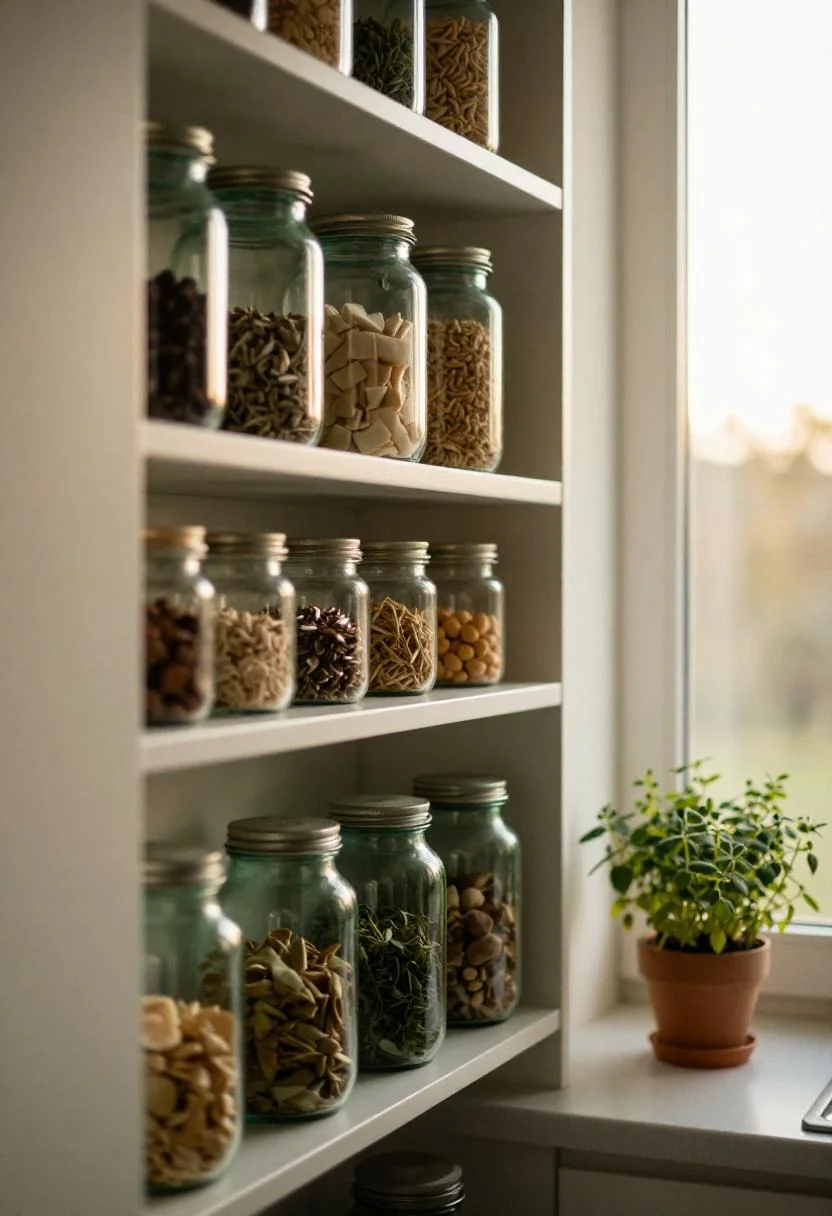
Glass pantry jars. Full stop. If you do one thing this month — this is it. Move your dried goods out of the plastic bags and boxes they come in (many of which contain BPA or PFAS in the linings) and into proper glass jars. Those jade green ones? Chef’s kiss. They look architectural on a shelf. Add a small herb plant — rosemary, thyme, whatever you’ll actually use — and the whole vignette suddenly looks like something from a Harper’s Bazaar interiors shoot. Functional and genuinely lovely. This is the hygge principle without any of the kitsch: warmth through utility, beauty as a byproduct of intentionality. Find glass pantry jar sets on Amazon — look for ones with airtight lids.
Under the sink is where the cleaning product graveyard usually lives. Twelve half-used bottles, most of them containing things like sodium laureth sulfate, synthetic fragrance compounds, and preservatives linked to hormone disruption. The swap: consolidate everything. Natural dish soap, a scrub brush with a wooden handle, a set of reusable unpaper towels. That’s genuinely it. Keep them organized in a simple bin — visible, accessible, easy to grab. The cleaning brushes with plant-fiber bristles work beautifully and don’t shed microplastics into your water. (I also found, weirdly, that having a tidy under-sink situation made me clean the kitchen more. There’s something psychological about not dreading opening that cabinet.) If you’re also revamping your kitchen storage more broadly, our kitchen organization ideas for 2026 are full of practical setups that complement a low-tox approach perfectly.
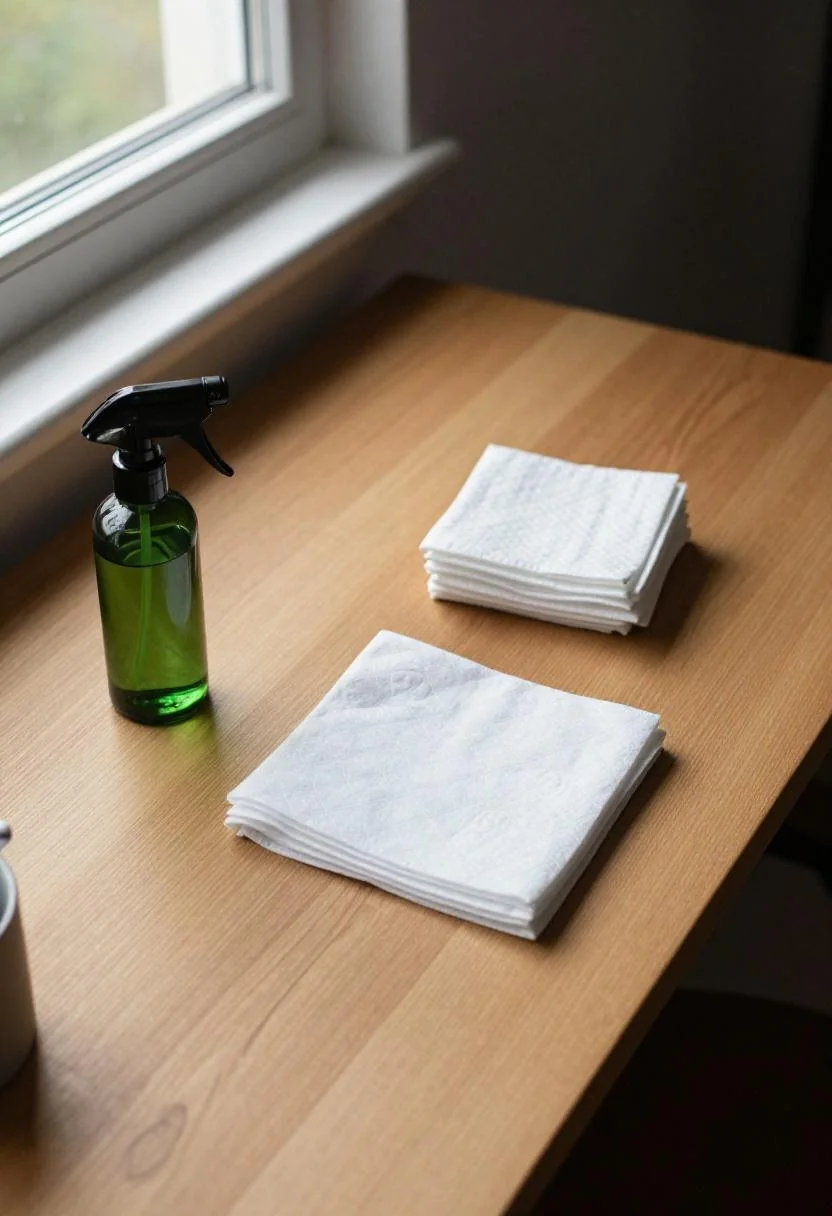
A sage green glass spray bottle on a wooden surface with a stack of folded cotton cleaning squares is the kind of thing that looks effortful but isn’t. The bottle gets refilled with an all-purpose concentrate — one tablet dissolved in water, about 20 cents per refill. The cotton squares replace paper towels for surface wiping, toss them in the wash, repeat indefinitely. It’s the desk or kitchen counter version of a capsule wardrobe: fewer things, better things, everything actually gets used.
What’s Living in Your Laundry Room?
Oh, the laundry room. We pour synthetic fragrance compounds directly onto fabric that touches our skin for sixteen hours a day and somehow this doesn’t register as a concern. Commercial fabric softeners are one of the worst offenders — quaternary ammonium compounds, artificial fragrance, the works. The good news: the swaps here are easy, cheap, and the results are genuinely better.
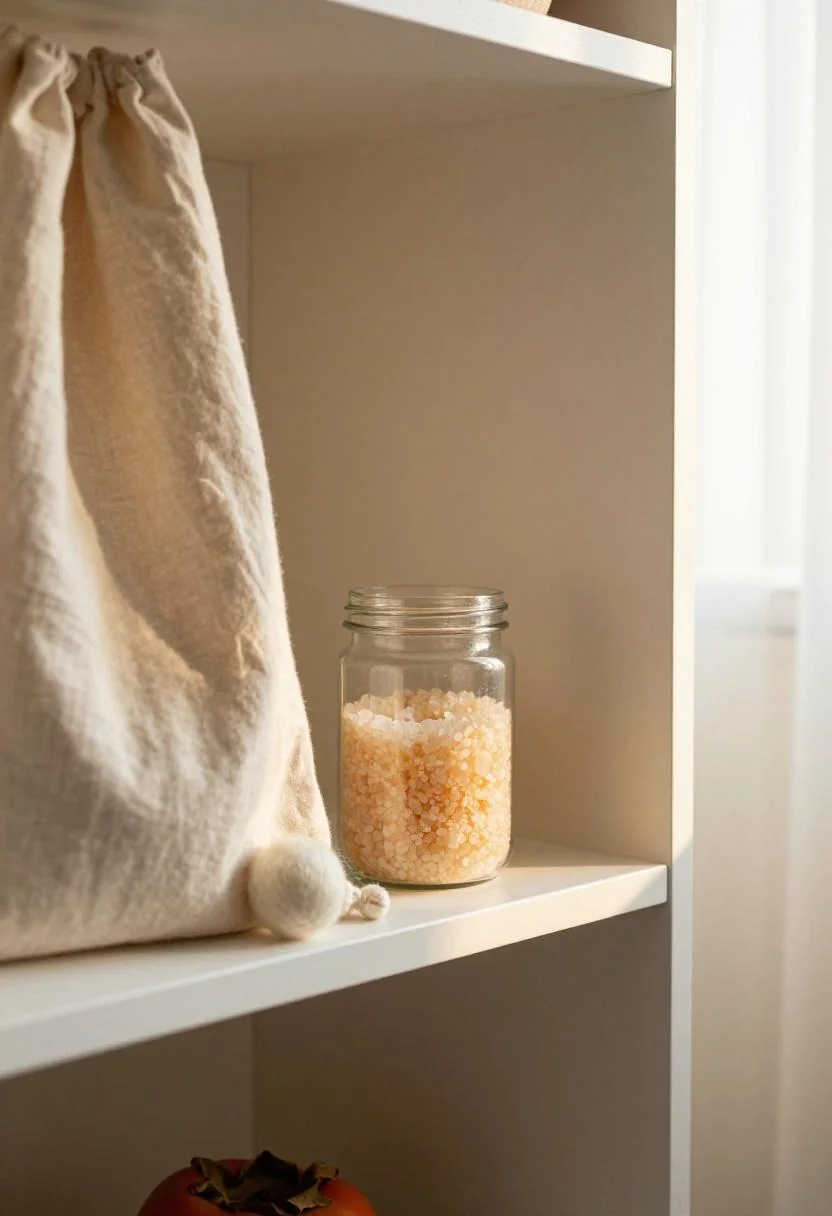
Wool dryer balls are genuinely one of my favorite low-tox swaps and I will evangelize about them until someone stops me. You toss three or four into the dryer with your laundry — no sheets, no liquid softeners, nothing synthetic. They bounce around, separate the fabric, reduce drying time by something like 25%, and if you want a light scent you put a drop of lavender essential oil on each ball before the cycle. Done. That persimmon cotton bag to store them when they’re not in use is the detail that makes the linen closet shelf look intentional rather than just practical. Get a set of wool dryer balls on Amazon — a good six-pack lasts literally years.
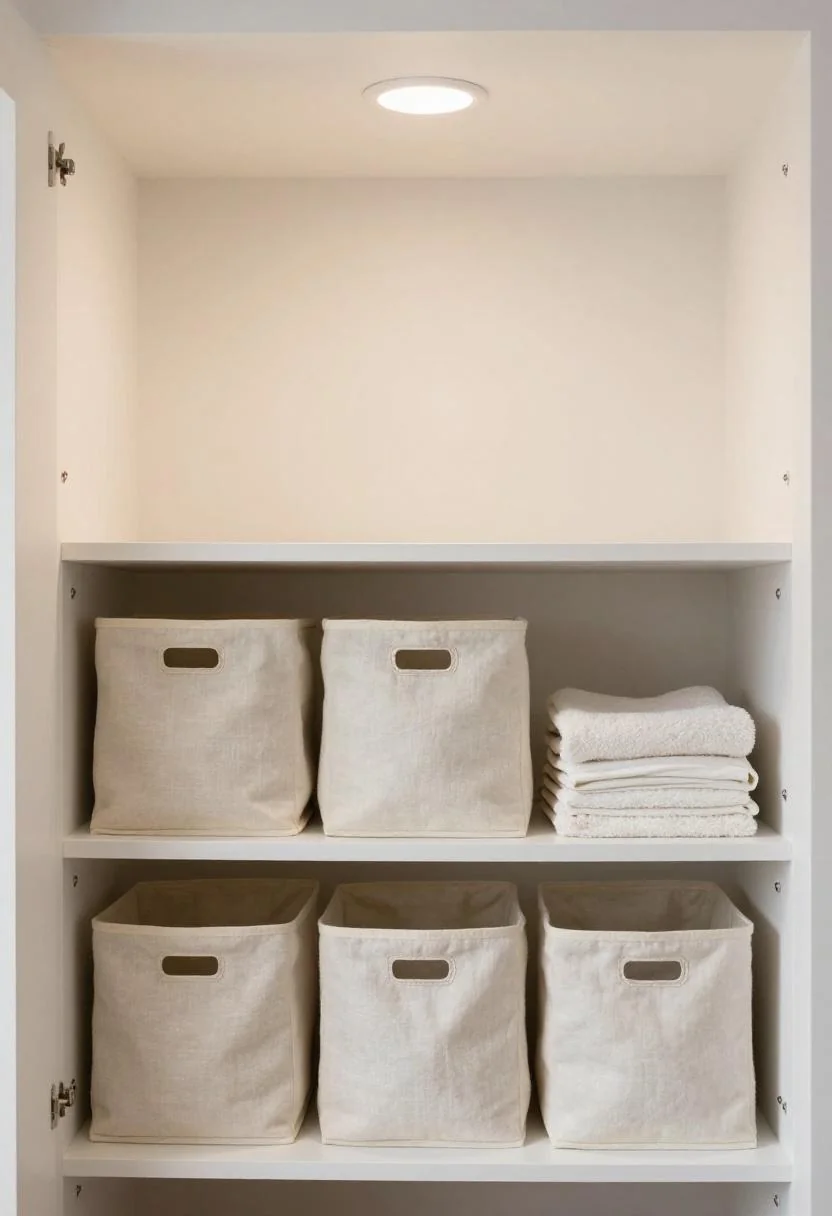
Organic cotton towels feel different. That’s not marketing copy — it’s genuinely true. Conventional cotton is one of the most pesticide-heavy crops in the world, and some of that residue survives processing into fabric. Organic cotton towels, especially undyed or naturally dyed ones folded in cream white linen bins on a closet shelf, achieve that Nordic restraint that’s so hard to describe but instantly recognizable when you see it. One texture, one palette, everything breathing. The linen bins keep things contained without hiding them — open storage done right.
Personal Care: Your Skin Absorbs Everything
Why is nobody talking about how many ingredients in standard personal care products are essentially unregulated? The EU bans over 1,300 chemicals in cosmetics. The US bans fewer than 30. The swap-by-swap approach here doesn’t require overhauling everything at once — start with the products that stay on your skin longest.
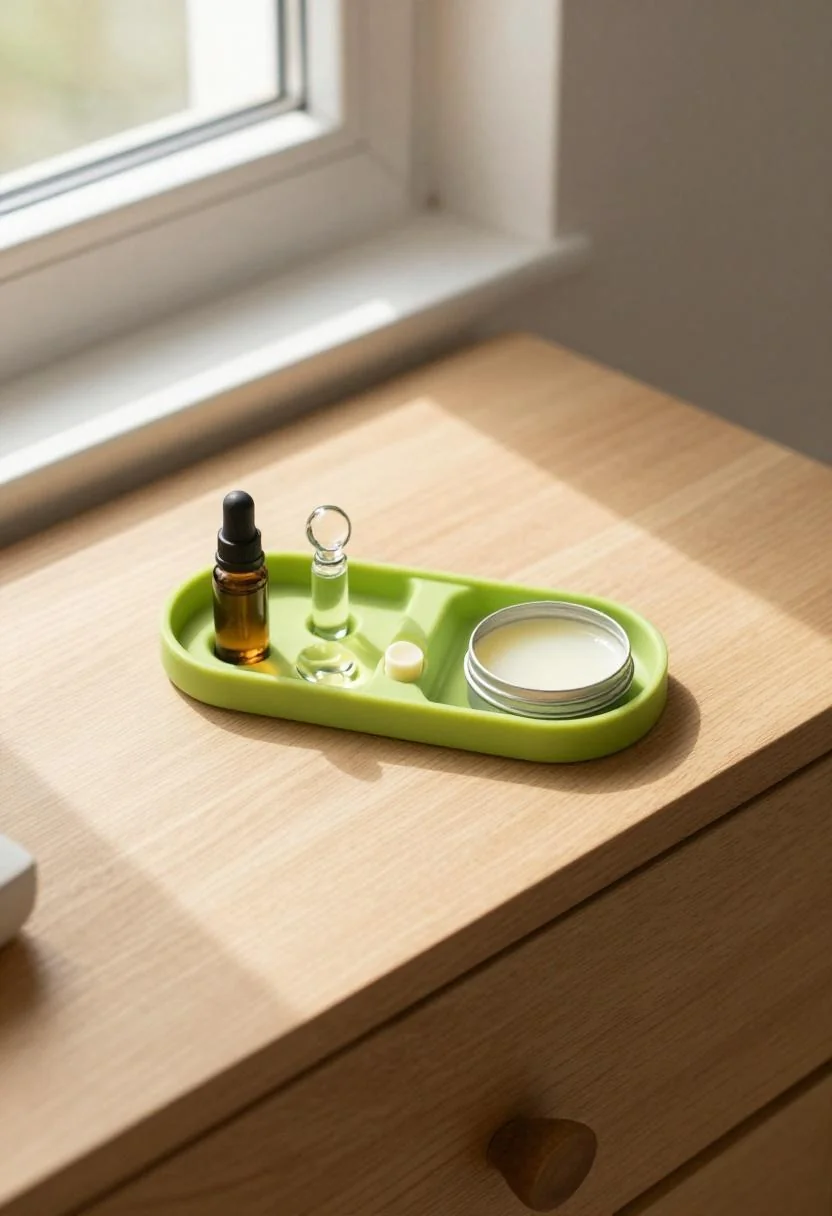
Glass essential oil rollers for pulse points instead of synthetic fragrance sprays. A natural balm tin — shea butter, beeswax, maybe calendula — that works as lip balm, cuticle treatment, and dry-patch fix all in one. Organized in a wasabi-toned silicone drawer tray that keeps everything from rolling around (we’ve all had the junk drawer that swallows things forever). This is the minimalist medicine cabinet moment — twelve products collapsed into three, each one doing more and costing less per use. Refillable glass roller bottles on Amazon are a great starting point if you want to DIY your own blends.
Entryway and Living Spaces: The Ambient Stuff
Air quality is a whole category that most low-tox conversations underweight. Paraffin candles (which is most candles) release benzene and toluene when burned — the same compounds in car exhaust. Synthetic air fresheners are basically just mystery chemistry dispersed into the air you’re breathing. The alternatives are prettier, smell better, and make a genuinely cozy case for the Nordic concept of hygge — warmth created by things that are real.
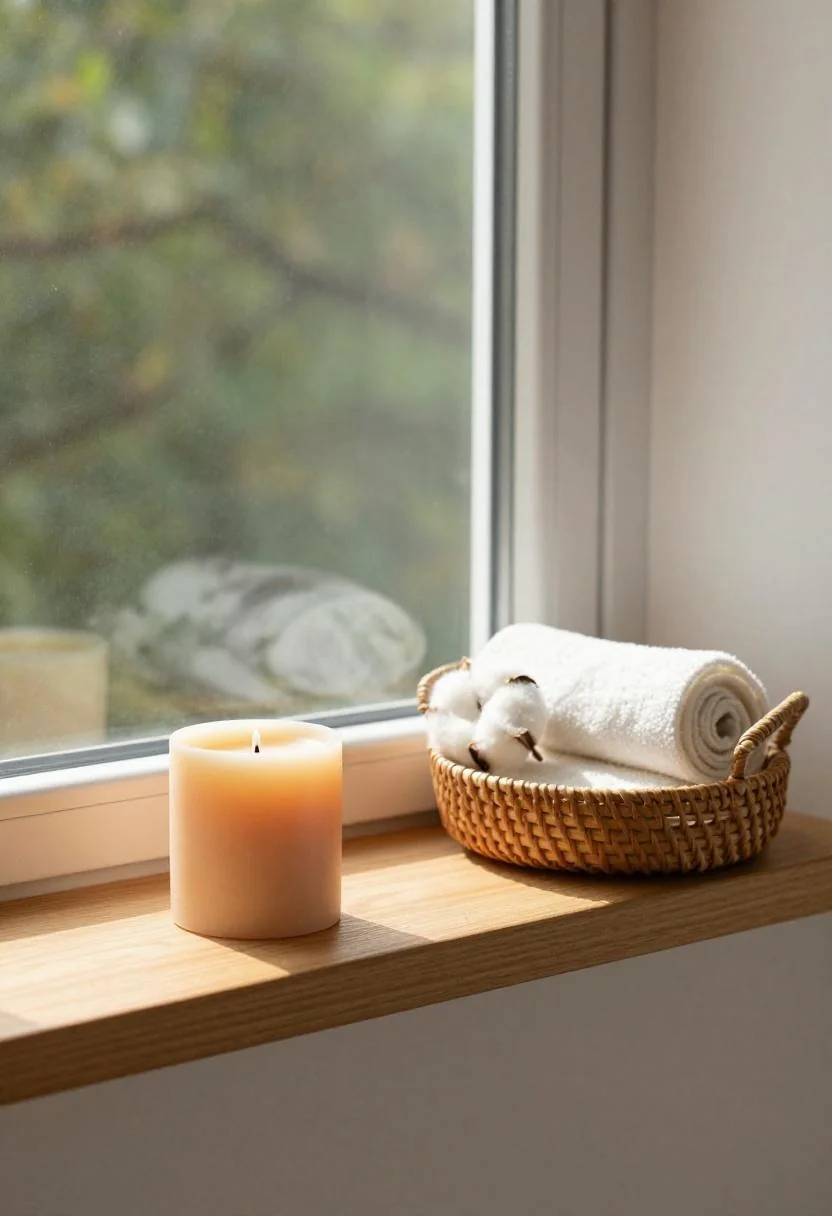
A beeswax candle — actually, several of them — changes a room. They burn cleaner than paraffin, last longer, and have a natural honey scent that’s subtle and warm without smelling like a candle store exploded. Paired with rolled cotton cloths in a rattan basket on an entryway shelf, this is the kind of arrangement that makes guests stop and say something when they walk in. Not because it’s flashy — because it feels considered. Persimmon tones, natural fiber, one warm light source. As Vogue’s home design coverage keeps circling back to: the homes that read as most sophisticated are the ones with the least visual noise. Shop natural beeswax candles on Amazon — the pillar ones last for ages.
The Garage and Utility Spaces: Don’t Ignore These
Most low-tox content stops at the kitchen and bathroom, which — fair, those are the high-priority zones. But utility spaces matter too, especially if you have kids or pets. And honestly? Getting your garage or utility shelf organized with clean products feels incredibly satisfying in a way I did not expect.
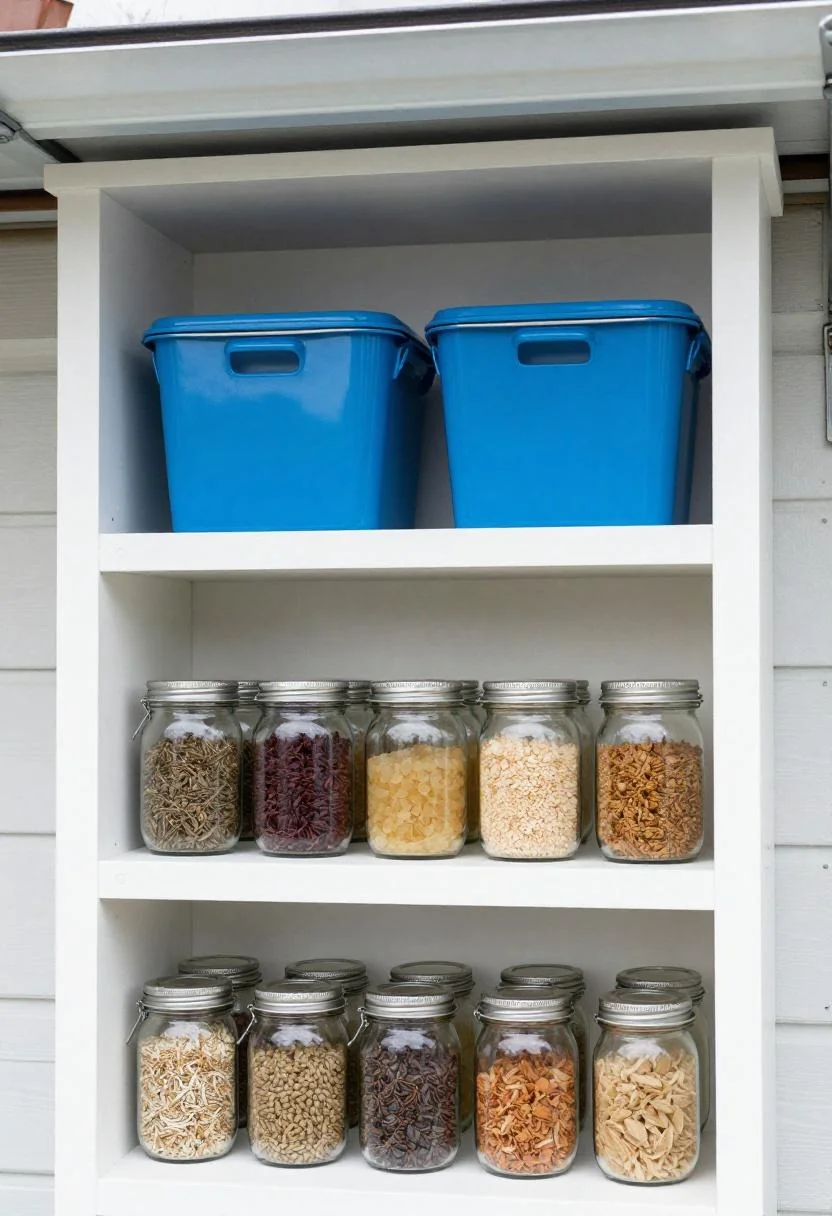
Cool blue enamel bins. Glass jars filled with bulk powder cleaners — washing soda, borax, oxygen brightener — labeled simply. A garage shelf that looks like it belongs in a Scandinavian design magazine instead of a horror film. Buying cleaning agents in bulk and decanting into your own containers reduces plastic waste dramatically and usually cuts the per-load cost by half or more. The enamel bins hold larger quantities of refills so you’re not running out mid-laundry at 11pm. (I’ve done that. It’s not great.) This kind of storage system also pairs beautifully with a broader home organization overhaul — the spring color palette home decor ideas we covered recently translate really well to utility spaces too, especially if you’re working in cool blues and naturals.
The Bigger Picture: What These Swaps Are Actually Doing
Here’s what I’ve noticed after doing this gradually over about two years: the house smells different. Cleaner without smelling like chemicals. The surfaces feel the same, everything works the same, but there’s this baseline sense of calm that I think comes partly from fewer synthetic compounds floating around and partly from the visual coherence of using glass and natural materials throughout. Every room has that restrained, one-beautiful-thing-at-a-time quality that Nordic design keeps teaching us to reach for.
The color story running through all of this — cool blue linens, jade green glass, warm terracotta ceramics, persimmon cotton, sage green spray bottles — isn’t accidental. These are all earthy, desaturated, grounded tones. They work together across rooms without matching exactly, which is exactly what you want if you’re building a home that feels cohesive rather than decorated. And if you’re thinking about extending this kind of intentional, low-intervention approach to your outdoor spaces too, our vintage garden decor ideas are full of inspiration that fits the same philosophy — natural materials, real patina, nothing synthetic trying to approximate something real.
You don’t have to do everything at once. Honestly, don’t — it’s overwhelming and expensive if you try to swap your entire house in a weekend. Pick one room. Pick one category. Start with the bathroom shelf and those amber glass bottles and that linen cloth. Let it feel good. Then do the next thing.
That’s the whole philosophy, actually. One good thing at a time.
This post contains affiliate links. We may earn a commission at no extra cost to you.
Images in this article were created with AI assistance.